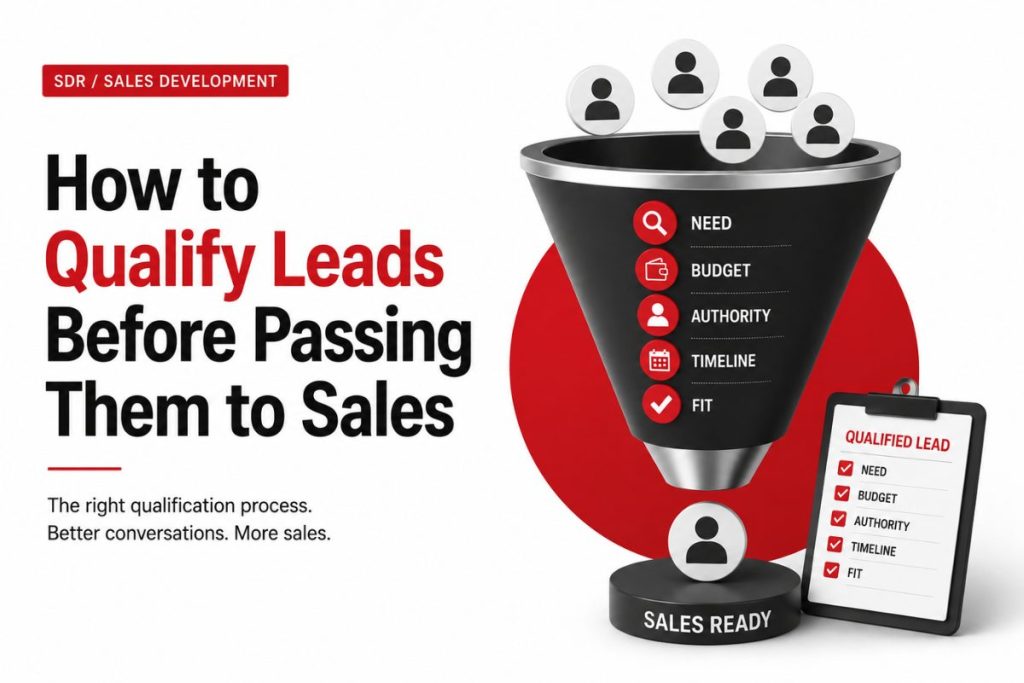
How to Qualify Leads Before Passing Them to Sales
July 30, 2026
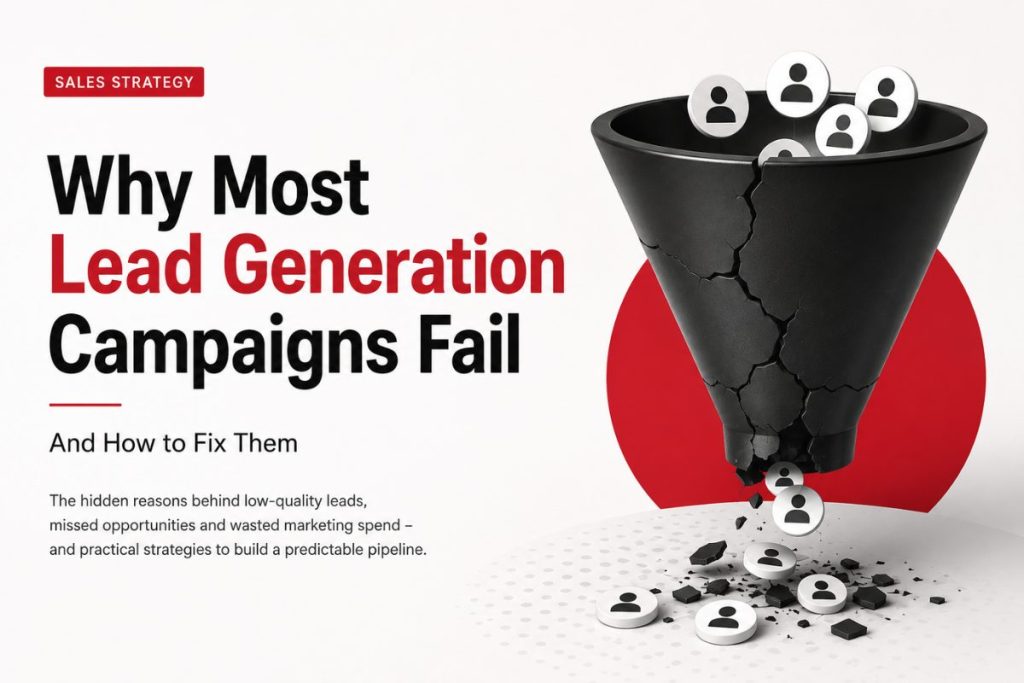
Why Most Lead Generation Campaigns Fail (And How to Avoid the Same Mistakes)
July 30, 2026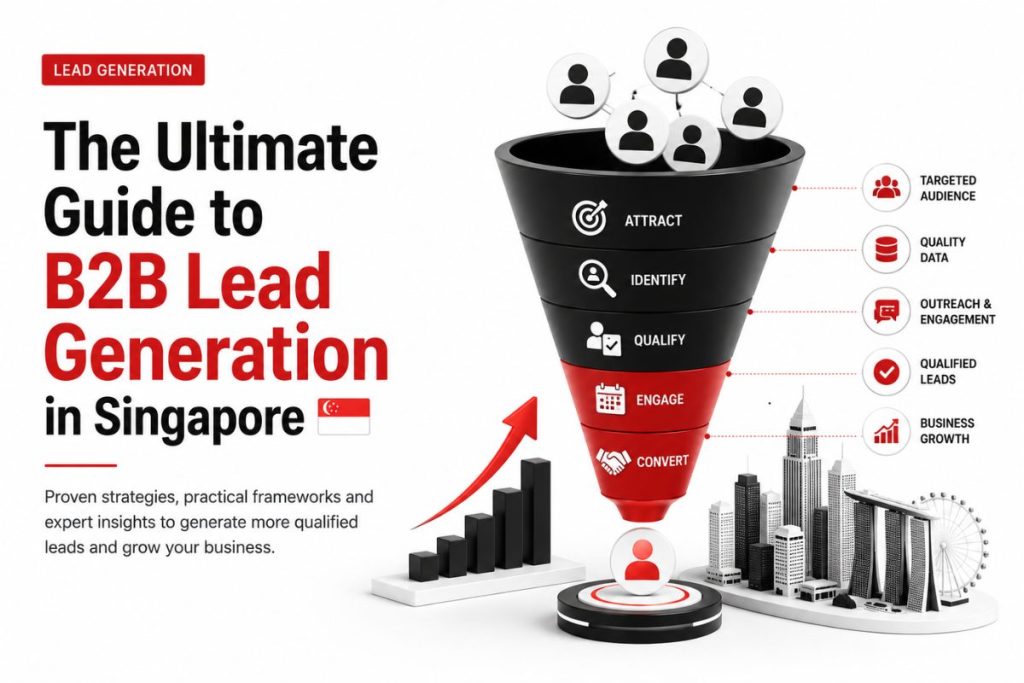
The Ultimate Guide to B2B Lead Generation in Singapore
For many businesses, growth depends on one thing — having a consistent pipeline of qualified prospects.
Whether you’re selling software, financial services, professional consulting, manufacturing solutions or corporate training, your sales team needs a steady flow of opportunities to generate revenue.
Unfortunately, many companies rely on referrals, repeat business or occasional marketing campaigns. While these channels are valuable, they often don’t provide the predictable pipeline required for sustainable growth.
That’s where B2B lead generation comes in.
A well-executed B2B lead generation strategy helps businesses identify potential customers, engage decision-makers and convert interest into qualified sales opportunities.
In this guide, we’ll explain everything you need to know about B2B lead generation, how it works, common mistakes to avoid and how businesses in Singapore can build a scalable sales pipeline.
What Is B2B Lead Generation?
Business-to-business (B2B) lead generation is the process of identifying and attracting companies that may benefit from your products or services.
Unlike B2C marketing, where businesses sell directly to consumers, B2B lead generation focuses on engaging organizations and the people responsible for making purchasing decisions.
The objective isn’t simply to collect contact details. It’s to identify businesses that fit your ideal customer profile and start meaningful conversations that may lead to future sales.
A successful lead generation campaign typically includes:
- Identifying target industries
- Building prospect databases
- Researching decision-makers
- Reaching out through multiple channels
- Qualifying prospects
- Booking sales meetings
- Passing qualified opportunities to the sales team
Why Is B2B Lead Generation Important?
Even businesses with strong reputations can’t rely solely on referrals or repeat customers forever.
Markets change, competitors emerge and customer needs evolve. A consistent lead generation strategy helps businesses:
- Build a predictable sales pipeline
- Reach new markets
- Increase brand awareness
- Support business growth
- Create more sales opportunities
Rather than waiting for prospects to find you, lead generation allows you to proactively introduce your business to organizations that may benefit from your solutions.
Understanding the B2B Sales Funnel
Lead generation is only the first stage of a much larger customer acquisition process.

Each stage has a different objective. Generating leads without qualification often wastes your sales team’s time, while qualification without effective appointment setting may result in missed opportunities.
The strongest sales pipelines combine all stages into one structured process.
Types of B2B Lead Generation
There isn’t a single approach that works for every business. Most successful companies combine multiple channels.
Outbound Lead Generation
Outbound lead generation involves proactively reaching out to potential customers. Examples include:
- Telemarketing
- Cold email outreach
- LinkedIn prospecting
- Sales development representatives (SDRs)
- Business networking
Outbound methods allow businesses to reach decision-makers directly rather than waiting for enquiries.
Inbound Lead Generation
Inbound strategies encourage prospects to discover your business through valuable content. Examples include:
- SEO
- Educational articles
- Webinars
- Whitepapers
- Social media
- Paid advertising
Inbound typically generates interest, while outbound accelerates conversations. The two approaches often work best together.
What Makes a Good B2B Lead?
Not every enquiry is a qualified sales opportunity. A quality lead generally has:
- A genuine business need
- Budget or purchasing authority
- Interest in finding a solution
- A realistic timeline
- The ability to influence purchasing decisions
Many businesses make the mistake of passing every enquiry directly to sales. This increases workload while reducing conversion rates. Lead qualification helps sales teams focus on opportunities with the highest potential.
Common Challenges in B2B Lead Generation
Many businesses struggle because they encounter one or more of these common lead generation mistakes:
Targeting the Wrong Audience
Marketing to everyone usually means connecting with no one. Clearly defining your ideal customer profile is essential.
Poor Data Quality
Outdated contact information leads to wasted effort and lower campaign performance. Regular database maintenance improves outreach effectiveness.
Weak Follow-Up
Research consistently shows that many opportunities are lost because prospects aren’t followed up consistently. Lead generation doesn’t end after the first conversation.
Lack of Lead Qualification
Passing unqualified enquiries to sales reduces productivity and lowers close rates. A structured qualification process ensures sales teams spend time on the right prospects.
Inconsistent Sales Activity
Businesses often launch campaigns for a few weeks before stopping altogether. Lead generation works best as an ongoing process rather than a one-off initiative.
Measuring Success
Effective lead generation should be measured using meaningful business metrics, not just activity. Examples include:
- Number of target companies identified
- Conversations with decision-makers
- Qualified leads generated
- Sales meetings booked
- Opportunity conversion rate
- Cost per qualified lead
- Revenue generated
Measuring the entire sales funnel provides better insights than tracking calls or emails alone.
Best Practices for Successful Lead Generation
Businesses that consistently generate qualified opportunities often follow these principles:
Know Your Ideal Customer
Understand:
- Industry
- Company size
- Location
- Business challenges
- Decision-makers
Personalise Your Outreach
Generic messages rarely generate meaningful conversations. Tailor communication based on the prospect’s business and potential needs.
Combine Multiple Channels
Don’t rely on a single communication method. Integrating telemarketing, email, LinkedIn and content marketing creates multiple touchpoints.
Follow Up Consistently
Prospects often require several interactions before they’re ready to engage. Consistency is key.
Qualify Before Passing to Sales
Salespeople should spend time closing opportunities, not determining whether prospects are suitable.
Should You Build an Internal Team or Outsource?
Many SMEs face this question. Building an internal lead generation team requires:
- Recruitment
- Training
- Technology
- CRM management
- Ongoing supervision
Outsourcing provides access to experienced professionals, established processes and scalable resources without significantly increasing internal overhead.
The right approach depends on your business objectives, available resources and sales strategy.
How Scenes City Supports B2B Lead Generation
At Scenes City, we help businesses build stronger sales pipelines through structured customer acquisition strategies. Our B2B lead generation services include:
- Prospect database development
- B2B database intelligence
- Lead generation campaigns
- Lead qualification
- Appointment setting
- Outsourced SDR support
- Data enrichment
- Customer engagement
Rather than focusing solely on activity, we focus on creating qualified business opportunities that support long-term growth.
Ready to Build a Stronger Sales Pipeline?
If you’re looking to generate qualified business opportunities, book more sales meetings or improve your customer acquisition strategy, Scenes City can help.
Frequently Asked Questions
How long does a B2B lead generation campaign take?
Campaign timelines vary depending on industry, target audience and objectives. Most businesses should view lead generation as an ongoing business development activity rather than a one-time campaign.
Is telemarketing still effective for B2B lead generation?
Yes. When combined with accurate data, clear messaging and proper qualification, telemarketing remains an effective way to engage decision-makers and book qualified meetings.
What's the difference between lead generation and appointment setting?
Lead generation identifies and engages potential prospects. Appointment setting focuses on converting qualified prospects into scheduled meetings with your sales team.
Can lead generation work for SMEs?
Absolutely. Many SMEs use lead generation to expand into new markets, increase sales opportunities and support business growth without building large internal sales teams.
Conclusion
B2B lead generation is more than finding contact information or making cold calls. It’s about building a repeatable process that identifies the right businesses, engages the right people and creates qualified sales opportunities.
Companies that invest in structured lead generation are better positioned to grow consistently, enter new markets and support their sales teams with a healthy pipeline of opportunities.
Whether you’re launching a new product, expanding into new industries or looking to generate more qualified meetings, a well-planned lead generation strategy can become one of the most valuable drivers of business growth.
Ready to Build a Stronger Sales Pipeline?
If you’re looking to generate qualified business opportunities, book more sales meetings or improve your customer acquisition strategy, Scenes City can help. Contact us today to discuss your B2B lead generation goals and discover how our team can support your business growth.